Eyes Closed, Shoulders Down: The Quiet Compliment of a Coco Snooze
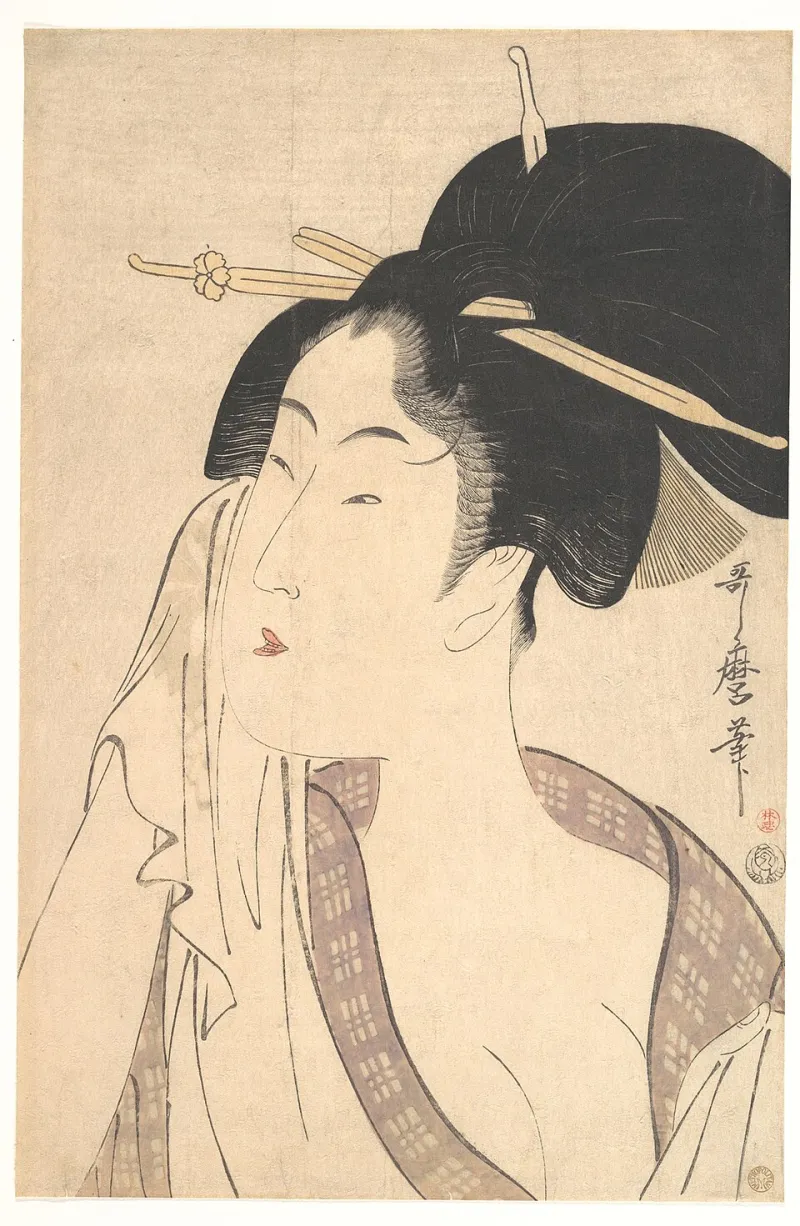
Photo: Kitagawa Utamaro, Public domain, via Wikimedia Commons
There is a moment in many Coco treatments when the room goes still. The traffic outside fades, the towel feels warmer than it did a minute ago, and the client who was chatting about the weather has gone suspiciously quiet. Then comes the tiny shift in breathing that tells your therapist everything: you have nodded off. And no, nobody is judging you. In fact, it is rather the opposite.
The apology we hear most often
British politeness being what it is, the first words after a treatment are often an apology. Sorry for drifting off. Sorry for snoring. Sorry for being boring company. It is an instinct, like saying sorry to a chair you have bumped into. But at Coco, that apology is entirely unnecessary. Facials, massages and other hands-on treatments are designed to slow the nervous system down. If your body takes that as permission to switch off completely, the treatment has done its job.
We spend so much of the day alert - replying to messages, keeping an eye on the clock, holding our shoulders somewhere near our ears on the commute. A treatment room is one of the few places where you are not expected to be useful. You are not there to entertain anyone. You are there to be looked after. A doze is simply the most honest response to that.
Why a doze is a therapist's quiet win
Therapists notice far more than clients realise. They notice when your jaw unclenches, when your hands stop gripping the towel, and when your breathing drops into a slower rhythm. Those are the signs that the pampering is landing. A client who stays rigid and alert for the whole appointment is not failing, of course - some people need time to settle - but a client who falls asleep has stopped performing relaxation and actually found it.
It also helps the treatment itself. When you are properly relaxed, your muscles respond differently. Your face softens, your neck lets go, and your therapist can work with your body rather than against it. There is less need to check in every few minutes, which means the room can stay quiet and the pressure can stay consistent. In a funny way, your nap gives the therapist permission to get on with the job.
What actually happens while you are away
Nothing dramatic. Your therapist will usually lower the lights if they are not already low, adjust the towel so you stay warm, and keep the pressure steady. If you are having a facial, they might work more slowly through the cleanse or massage, giving you a few extra minutes of calm. If you are on the massage couch, they may focus on the areas that have tightened up, using your breathing as a guide.
They will also keep an eye on you. Not in a worrying way - just a professional glance at your shoulders, your hands and your breathing. If the room is too warm, they will cool it. If a product is due to be removed, they will do it gently. The aim is to let you stay in that soft, half-awake state for as long as possible without ever making you feel watched.
First-timer nerves, and how to settle them
If you are booking your first Coco treatment and the idea of falling asleep makes you anxious, you are in good company. Plenty of clients arrive worried about doing the wrong thing - talking too much, not talking enough, or somehow relaxing incorrectly. There is no correct way. A few small things can help if you are nervous:
- Tell your therapist it is your first time. They will explain what is coming next and check in a little more often.
- Ask for the pressure or room temperature you actually want. Too warm, too cool, too firm, too light - it is all useful information.
- Keep your eyes closed if you can. It sounds obvious, but it gives your brain the signal that it is safe to switch off.
- Do not worry about conversation. Chat if you want to; go quiet if you do not. Your therapist will follow your lead.
- Put your phone on silent and out of reach. Even a buzzing phone in another room can keep part of your mind on duty.
Relaxed dozing versus feeling unwell
There is a difference between a lovely, heavy-limbed doze and feeling genuinely off. A relaxed nap usually comes with slow breathing, loose shoulders and a sense of warmth. You might feel a little groggy when you wake, but it passes quickly. Feeling unwell is different: dizziness, nausea, a racing heart, clammy hands, tingling, or a sudden sense that you need some air. If that happens, say something straight away. Therapists are used to it and will sit you up slowly, adjust the room, and get you some water. There is no need to tough it out.
Coming round gently
Waking up in a treatment room can feel disorienting for a second or two. The lights are low, you are horizontal, and your body has been in rest mode. Your therapist will usually give you a quiet minute or two before asking how you feel. Take that time. Wiggle your fingers, blink a few times, and let your body catch up. There is no rush to sit up, no performance to deliver, and no need to pretend you were awake the whole time.
Afterwards, drink some water, give yourself a moment in reception, and avoid scheduling anything too demanding for the next half hour if you can help it. A little air on the walk home can do wonders.
The nap is part of the treatment
At Coco, we would much rather you drifted off than spent the whole appointment being politely tense. The salon nap is not a faux pas. It is a sign that you trusted the room enough to let go, and that the treatment did what it was meant to do. So the next time you wake up slightly confused about what day it is, take it as a compliment. Your therapist certainly will.