The Overlooked Pair: A Party-Season Plan for Winter Hands
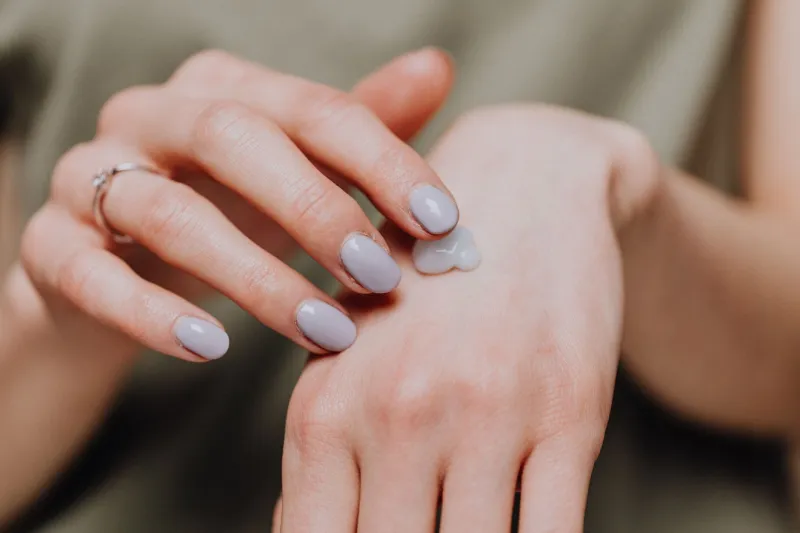
There is a particular moment in early November when you catch sight of your hands under the bathroom light and realise they have already made their own winter arrangements. Perhaps the skin feels tight after washing up, or a cuticle has started to catch on a jumper sleeve. Either way, hands are often the first place the colder months show, and they are very good at doing it quietly until suddenly every hand cream in the house feels inadequate.
With party invitations starting to land and the central heating clicking on, it makes sense to give your hands their own seasonal plan rather than hoping a stray tube in the bottom of a bag will cover it. This is not about complicated routines or chasing perfection. It is about comfort, a bit of polish, and a handful of small habits that make a real difference between now and the New Year.
Why hands feel winter first
Hands are constantly exposed. They are washed more often than almost any other part of the body, they go in and out of gloves, they meet hot water, cold air, car heaters, hand sanitiser and washing-up liquid, and they have relatively little natural oil to begin with. The skin on the back of the hand is thin, and the barrier that keeps moisture in can start to feel stretched when the weather turns.
In the UK, winter adds its own pressures: a cold snap one week, a mild damp one the next, radiators blasting indoors and a sharp wind outdoors. Every time hands get wet and dry out again, they lose a little more comfort. Add in gel manicures, present wrapping, Christmas shopping bags and a few too many hot drinks, and it is hardly surprising that hands can look tired by mid-December.
The good news is that hands respond quickly to attention. They do not need a twelve-step routine. They need a proper reset, a little consistency and a bit of protection before the party season really gets going.
What a salon hand treatment actually does
A hand treatment at Coco is not simply a nice extra while your nails are being done. It is a chance to look at the skin properly, talk about what has been happening, and give the hands a thorough reset. A therapist will usually start by checking how the skin feels, whether there is any sensitivity, and what your nails and cuticles have been up to. They can then tailor the treatment rather than applying the same routine to every pair of hands.
That might include gentle exfoliation, a nourishing mask, a soothing massage and plenty of moisturiser, with extra attention around the cuticles and knuckles. Warm treatments can feel especially welcome when hands are stiff from cold weather, and the massage element is often the part clients did not know they needed. It is also a useful moment to ask questions about home care, because hands are one of those areas where small changes make a visible difference.
If you wear gel or acrylic nails, cuticle and hand care still matters. The polish may be flawless, but dry skin around the nails can make a manicure look less fresh than it is. A treatment a few weeks before a big event gives the skin time to settle and gives you a realistic idea of what to do in between.
The cuticle conversation
Cuticles get a bad reputation. They are not the enemy, and aggressive cutting or pushing can leave the nail area sore and more vulnerable. At home, the gentlest approach is usually the best: soften the skin in the shower, push back only what moves easily, and leave the rest alone.
Cuticle oil is one of the simplest wins in all of skincare. Keep a pen by the sink, one in your handbag and one by the bed, and apply a little whenever you think of it. A balm over the top at night can help seal things in. If your hands are very dry, avoid picking at rough bits; a quick file and a dose of oil will usually calm things down faster than tugging ever will.
Gloves are not optional
This is the least glamorous part of the plan and possibly the most effective. Washing-up gloves protect hands from hot water and detergent, and a pair kept right by the sink removes the excuse. Outdoor gloves should go on before your hands get cold, not after, and it helps to have more than one pair so there is always a dry set available.
If you walk to work, commute on a chilly platform or spend Saturdays on the sidelines of a children's football match, gloves are basic winter kit. Rubber gloves with a soft cotton lining are a good compromise if plain washing-up gloves feel clammy. Just remember to let them dry properly between uses.
SPF is a hand product too
Hands get sun while driving, walking, eating lunch outside and sitting near a window. It is easy to forget because they are not usually the focus of a skincare routine, but UV exposure contributes to pigmentation and premature ageing on the backs of the hands. In winter the UV index is lower, but it is not zero, and hands are often the first thing to show the accumulated effect of a few decades of everyday sun.
A hand cream with SPF, or a layer of your usual sunscreen, is a sensible habit. Reapply after washing your hands if you are going to be outside for a while. It is a small thing that pays off over time.
The between-appointment routine
Most of the work happens at home, and it does not need to take long. Wash hands with lukewarm rather than hot water, pat them dry instead of rubbing, and apply cream while the skin is still slightly damp. Keep a rich hand cream in the kitchen, another by the bed and a smaller one in your bag. If your hands are very dry, an overnight mask of thick cream and a pair of cotton gloves once or twice a week can feel surprisingly restorative.
Exfoliate gently once a week if the skin feels rough, but do not scrub at cracked areas. Hand sanitiser is useful when you need it, but it can sting dry skin, so use it when necessary and follow with cream. Keep nails filed to prevent snags, and try not to use hands as tools for opening packets, lifting hot trays or prying lids. Small adjustments, done consistently, are worth more than an occasional frantic pampering session.
A party-season timetable that works
Think of it as a gentle countdown rather than another task list. In November, book a hand treatment to reset the skin, dig out your gloves and start leaving cuticle oil where you can see it. In December, keep the oil and cream going, book your manicure a day or two before the event rather than squeezing it into a frantic morning, and give hands a little extra care after gift wrapping or a weekend of socialising. In January, when the decorations come down, a simple maintenance treatment helps keep the progress going.
If you have a big date in the diary, a salon treatment three or four weeks beforehand is often more useful than a last-minute fix. It gives the skin time to recover and lets you see how your hands respond before the event itself. Avoid trying brand-new products the night before a party, no matter how promising the label looks.
The takeaway
Hands do a lot of quiet work. They hold the glass, carry the bags, wave across the room and reach for the biscuit tin when nobody is looking. Giving them a proper seasonal plan is less about vanity and more about comfort, especially when winter is doing its best to dry everything out.
Start with a treatment, find a cream you actually like using, keep the gloves where you can reach them, and do not underestimate the cuticle oil. A little attention now means hands that feel softer, look more polished and are ready for every invitation that lands on the doormat.